Beacons — Signals from the Deep Sea
In 2025, SPOLIA and BEAM started a collaboration drawn together by a mutual interest in the deep-sea and the current geopolitical focus in its exploitation for critical minerals.
The result of this partnership is Beacons, an environmental installation exhibited at the New Museum’s DEMO festival.
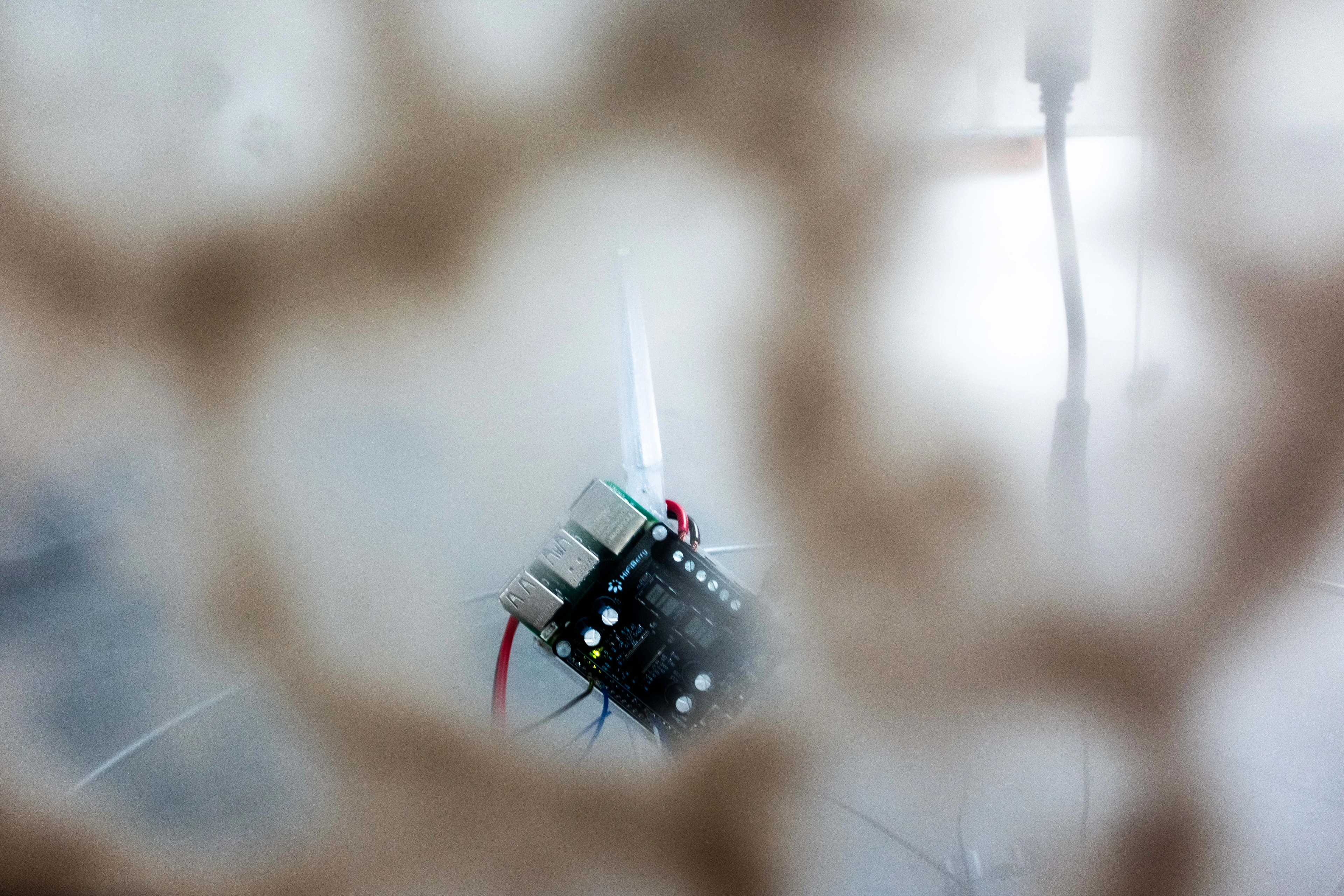
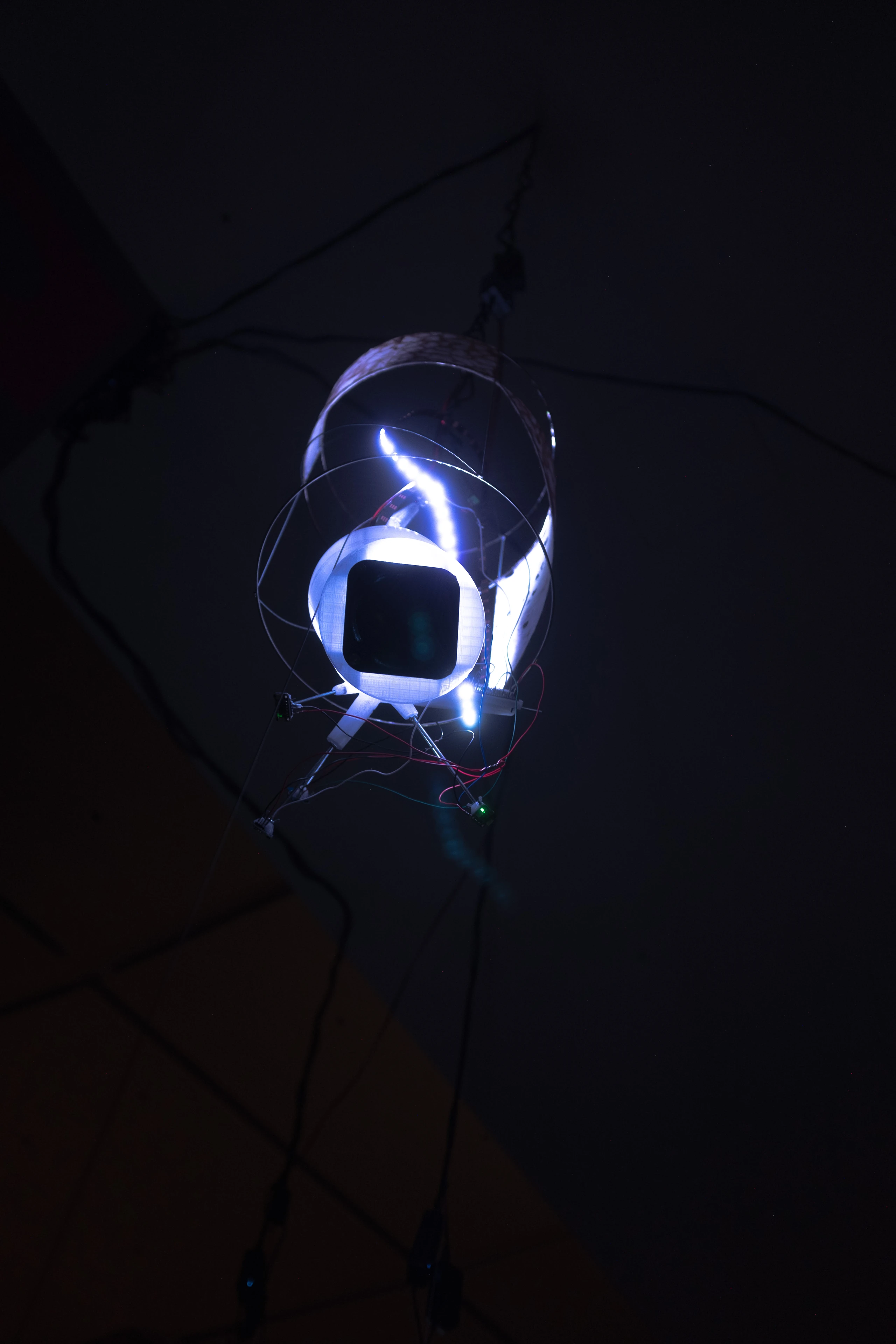
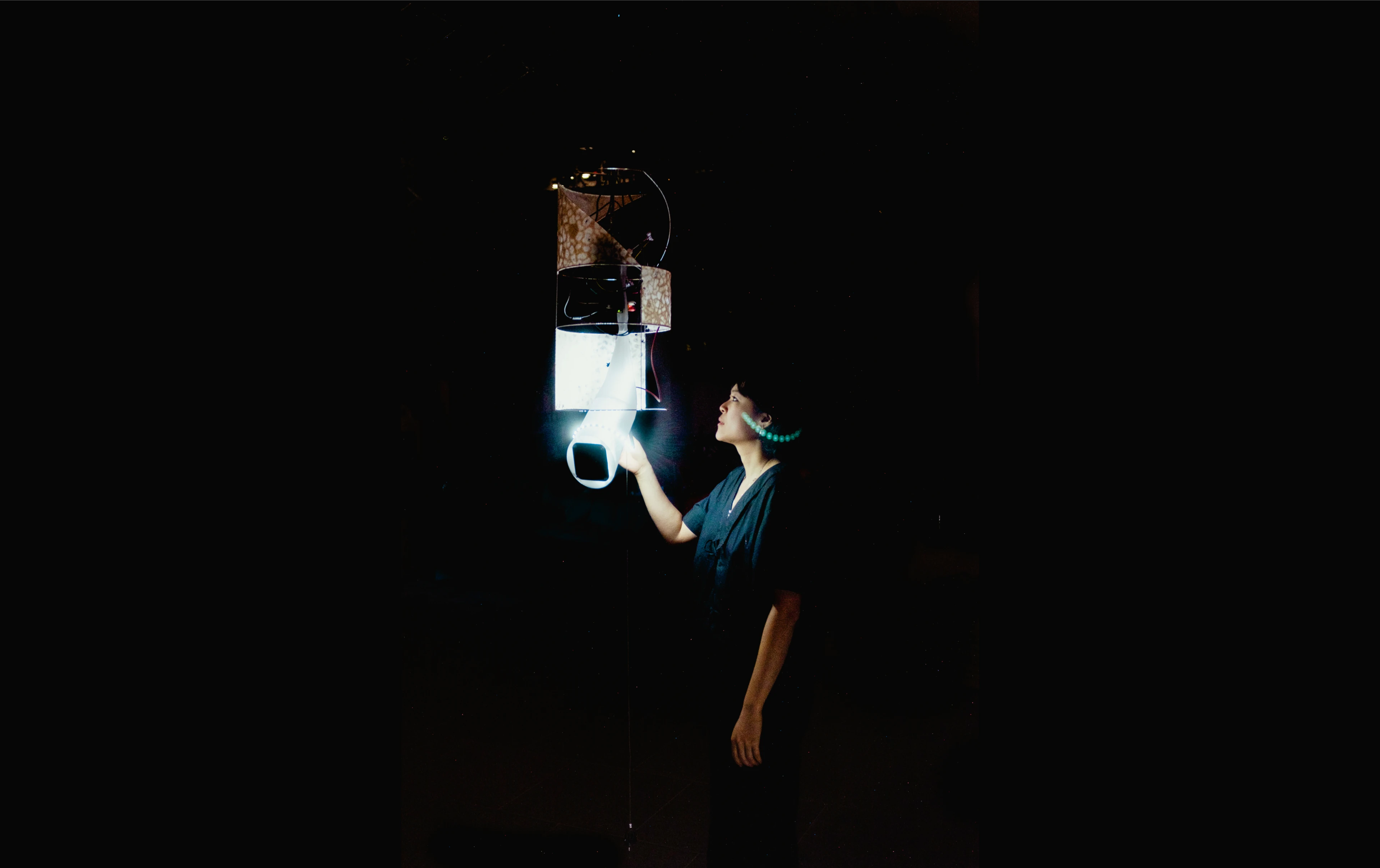
The work translates remote environmental data from the deep sea into immersive sound and light. A set of custom, hanging 3D-printed speakers emit frequencies tied to more than 26 ecological readings, allowing audiences in New York City to experience the fragile underwater ecosystem normally inaccessible to human senses.


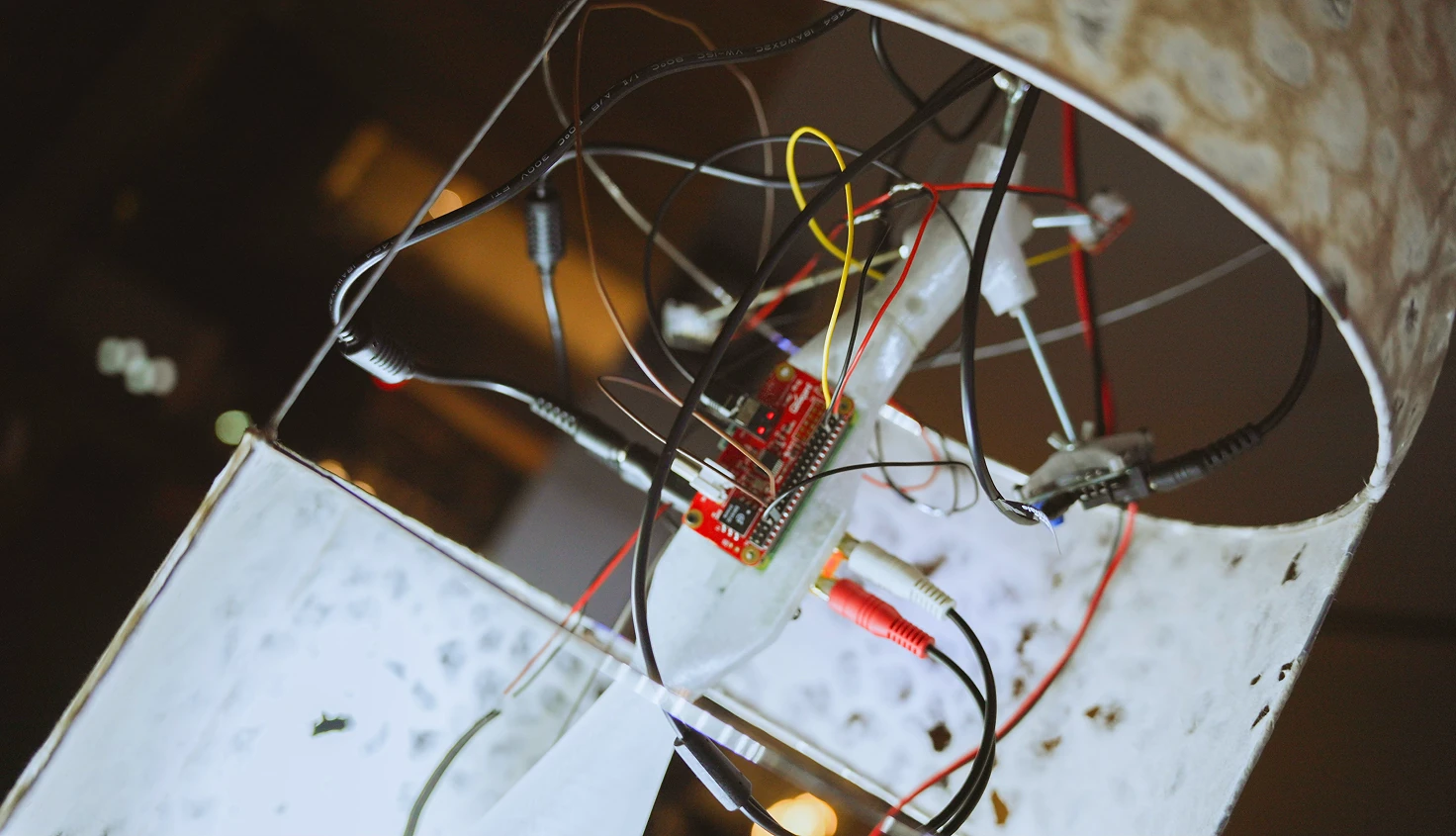
Five sculptural beacons representing climate, geology, biota, and human impact pulse with light and low-frequency sound based on 11,000 years of deep-sea environmental change.
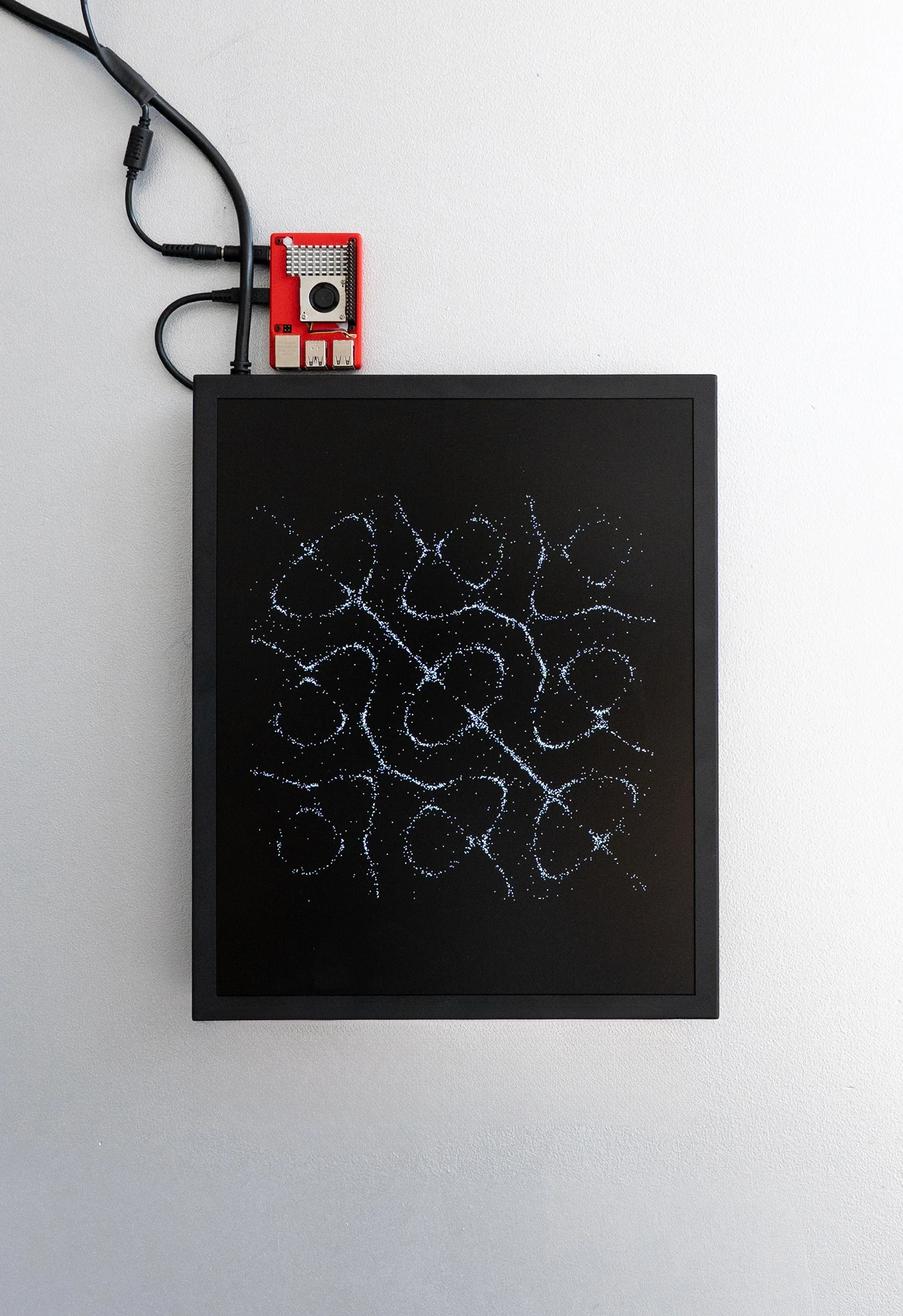
On a nearby screen, the sounds from the beacons are transmitted as visuals of the vibrational frequencies.
RESEARCH
The Deep Sea
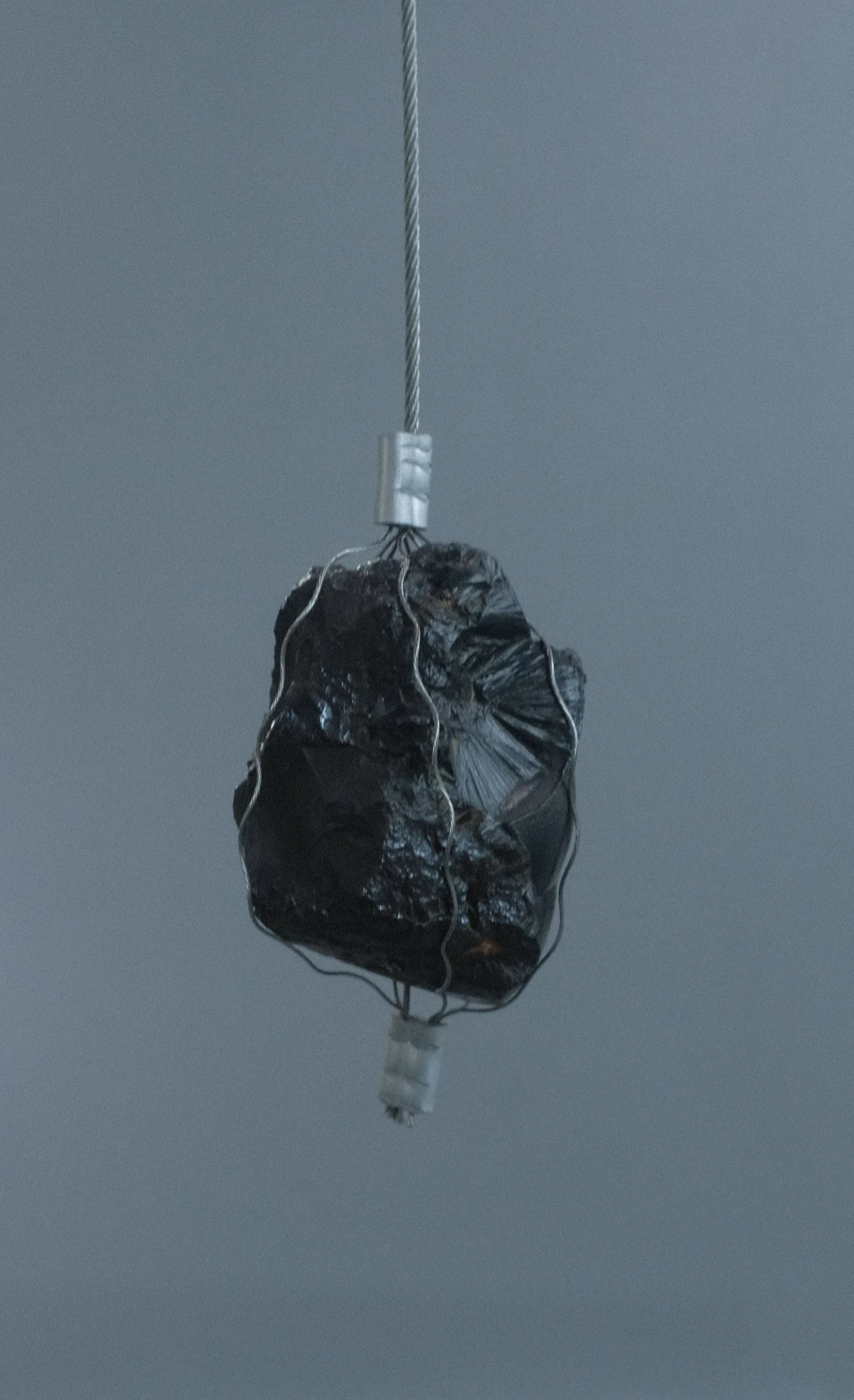
The deep sea constitutes Earth’s largest ecosystem, yet to date less than one percent of it has been scientifically examined. At depths beyond one thousand meters, sunlight no longer penetrates, temperatures fall close to freezing, and pressure rises to more than four hundred times that of the surface. These conditions have preserved terrains that remain largely unchanged for millions of years, offering both an archive of planetary history and a site of growing industrial interest.
The Clarion-Clipperton Zone
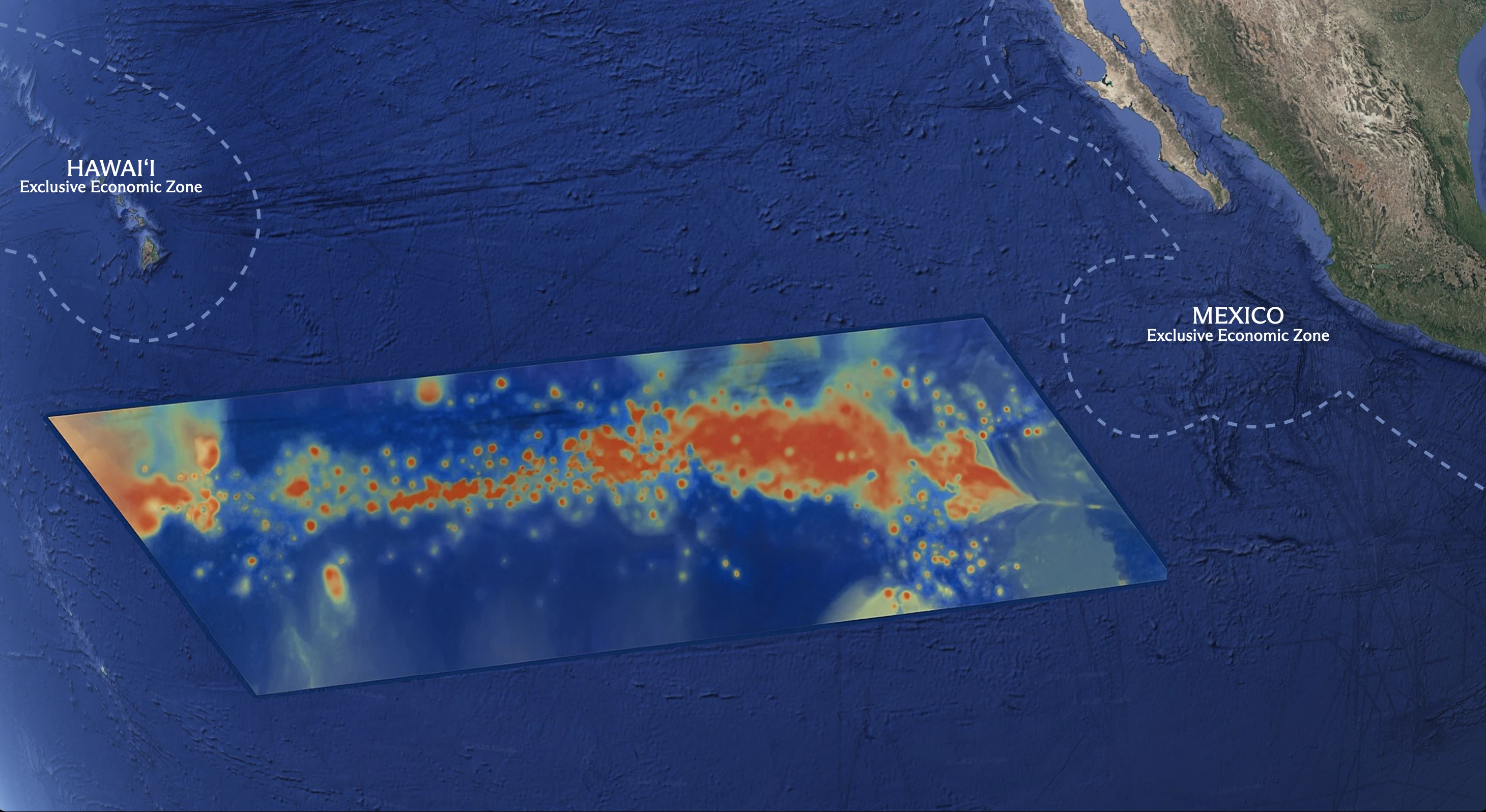
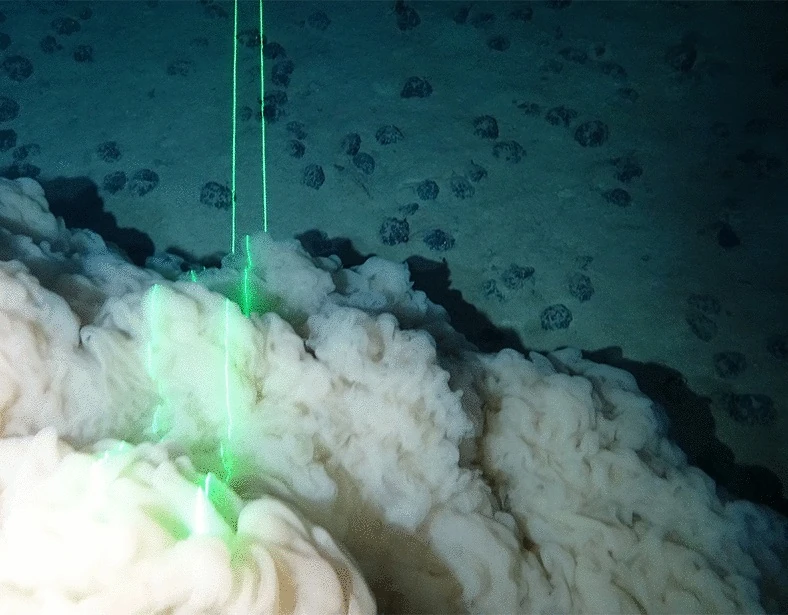
The Clarion-Clipperton Zone (CCZ), a vast stretch of international waters between Hawaii and Mexico, has become a central focus of industrial and political ambition. Across its seabed lie trillions of polymetallic nodules, concentrations of copper, cobalt, manganese, and nickel that have developed through natural processes over tens of millions of years. Today, companies and states are actively pursuing licenses to access these deposits, positioning the CCZ as a key site in the debate over deep-sea resource extraction.
Biodiversity
Although long considered inhospitable, recent research has revealed that the Clarion-Clipperton Zone sustains a remarkable biodiversity. Ninety-five percent of the species identified in this region are new to science, many of them existing on timescales of thousands of years.
Such slow rhythms of growth render these organisms particularly vulnerable to disturbance. Proposed mining operations risk generating sediment plumes, releasing trapped gases, and disrupting carbon cycles, while scientific studies also highlight the deep sea’s vital role in oxygen production and in maintaining planetary regulation.
To address these entanglements, Beacons: Signals From Below establishes an embodied connection to the CCZ through sound and light. Over ten thousand years of seismic, hydroacoustic, and bioluminescent data were sourced from scientific papers and international databases. More than twenty-six ecological readings were translated into sonic frequencies and luminous pulses. These were materialized in suspended sculptural forms inspired by deep-sea organisms and activated through custom 3D-printed speakers.
Rather than representing the deep sea, the installation transmits its conditions as signals—perceptible but not fully knowable. By making present an environment that is both vital and endangered, Beacons: Signals From Below invites audiences to consider the implications of extraction, and to experience the deep sea not as resource, but as a fragile and interconnected world.
APPENDIX