MATERIAL INTELLIGENCE
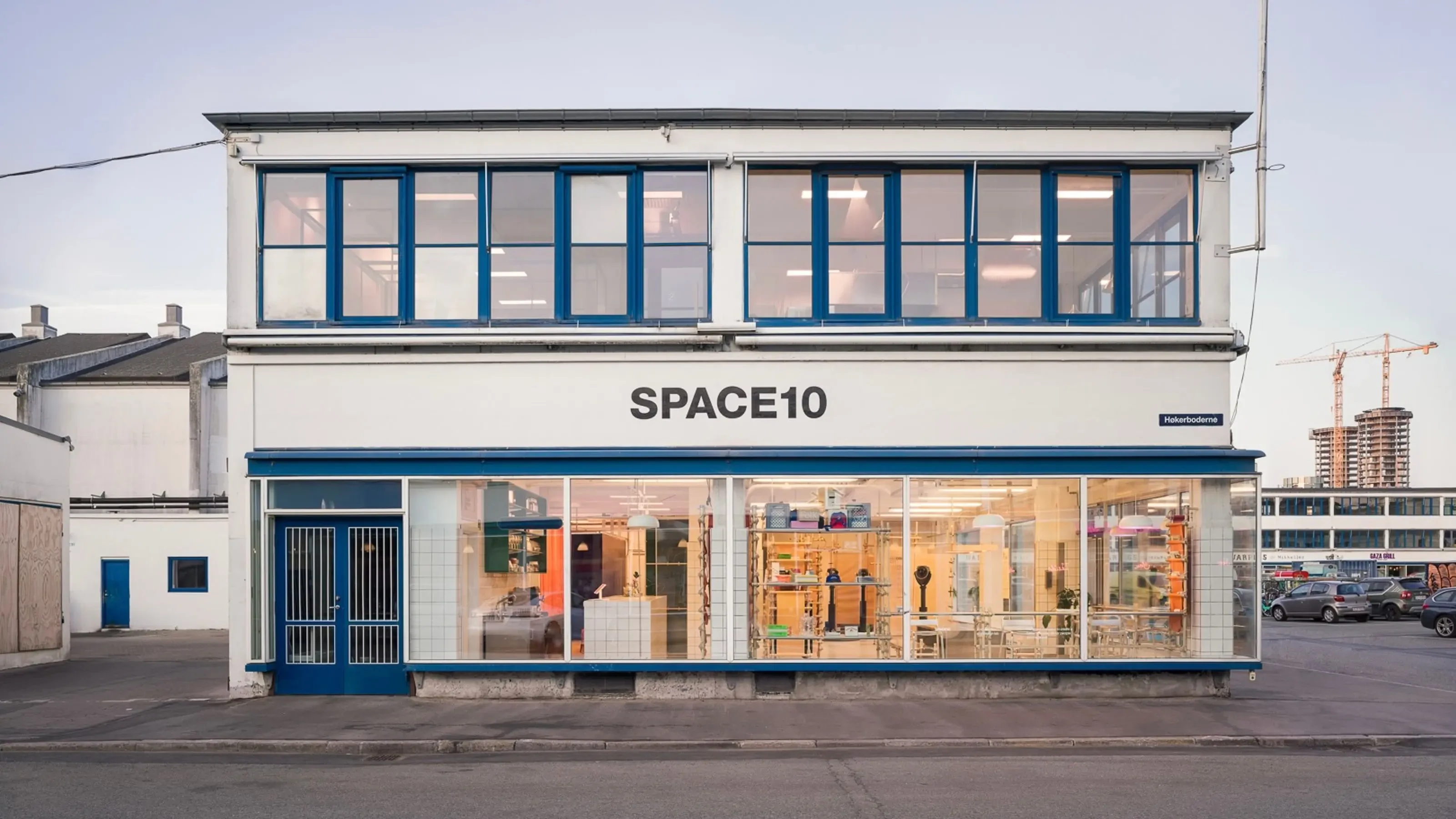
As we face larger concerns from our neighbors, now is the time to ask the needs of the many.
In the contemporary landscape of luxury, we find ourselves at a peculiar intersection where traditional craftsmanship meets technological innovation. The very definition of what constitutes luxury has evolved from mere material abundance to a more nuanced understanding of exclusivity, authenticity, and emotional resonance. This transformation reflects not only changes in consumer behavior but also a fundamental shift in how we perceive value in an increasingly digital world.
The artisanal heritage that once defined luxury goods now exists in tension with the demands of modern production. Where once a single craftsperson might dedicate months to perfecting a single piece, today's luxury brands must balance this dedication to quality with the realities of global markets and consumer expectations. Yet it is precisely this tension that creates the most compelling narratives in contemporary luxury.
Consider the evolution of fashion houses that have weathered decades of change while maintaining their essential character. These institutions understand that luxury is not merely about price point or scarcity, but about creating objects that carry cultural significance and emotional weight. The most successful luxury brands today are those that can articulate a clear vision of what they stand for, beyond the mere accumulation of material goods.
The digital revolution has fundamentally altered the luxury landscape, creating new forms of exclusivity and access. Social media platforms have democratized the visibility of luxury goods while simultaneously creating new hierarchies of influence and access. The traditional gatekeepers of luxury—the department store buyers, the fashion editors, the cultural arbiters—now share their influence with a new generation of digital natives who understand luxury through a different lens.
This shift has profound implications for how luxury brands communicate their values and connect with consumers. The language of luxury has become more inclusive while maintaining its aspirational quality. Brands must now speak to diverse audiences without diluting their core identity, a balance that requires both sensitivity and strategic thinking.
The concept of sustainability has also entered the luxury conversation in ways that would have been unimaginable a generation ago. Today's luxury consumer is increasingly conscious of the environmental and social impact of their purchases. This awareness has created opportunities for brands to demonstrate their commitment to responsible practices while maintaining their premium positioning.
Furthermore, the rise of experiential luxury has challenged traditional notions of ownership and possession. Consumers now seek experiences that provide personal transformation and cultural enrichment. This trend has led luxury brands to expand beyond physical products into services, events, and immersive experiences that create lasting memories and emotional connections.
The psychology of luxury consumption reveals deeper truths about human nature and social dynamics. Luxury goods often serve as symbols of achievement, taste, and cultural affiliation. They provide a means of self-expression and social signaling that transcends their functional utility. Understanding these psychological drivers is crucial for brands seeking to create meaningful connections with their audience.
As we look toward the future, the luxury industry faces both unprecedented challenges and remarkable opportunities. The next generation of luxury consumers will likely demand even greater transparency, authenticity, and social responsibility from the brands they support. Those brands that can successfully navigate this evolving landscape while staying true to their core values will be the ones that define luxury for the next century.
The intersection of tradition and innovation, of craftsmanship and technology, of exclusivity and accessibility, will continue to shape the luxury landscape. In this context, the most successful luxury brands will be those that can honor their heritage while embracing change, creating products and experiences that resonate with contemporary values while maintaining their timeless appeal.